The Best Gaming and Tech Events for Inspiration in 2026
If you work in exhibitions, live events, marketing, or interactive experiences, keeping an eye on the gaming world is a smart move.
Gaming events are often where the most engaging ideas show up first, from immersive visuals and competitive mechanics to AI tools, touch-screen interactions, live leaderboards, and memorable audience participation. What starts in gaming often filters quickly into exhibition stands, brand activations, and corporate events.
So, whether you build events, market products, or just want fresh inspiration for your next stand, here are some of the best gaming and tech events to watch in 2026.
1. GDC 2026, San Francisco
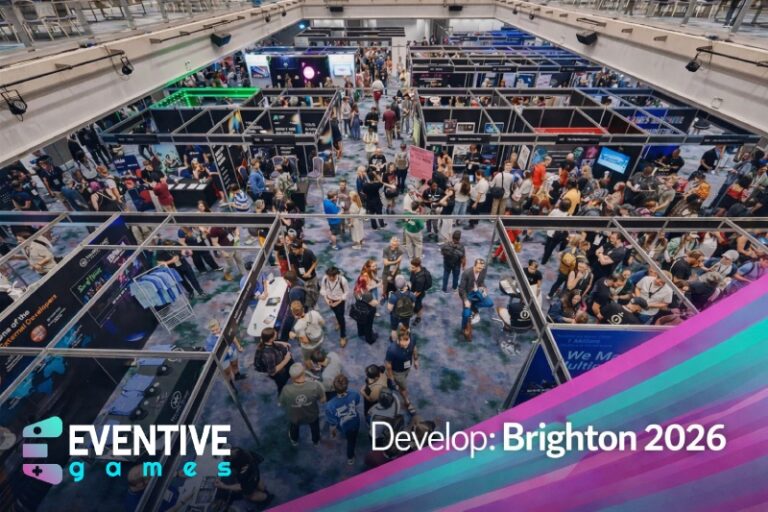
Official SiteThe Game Developers Conference remains one of the most important events in the industry for seeing where games are heading next. It is less about public spectacle and more about the ideas, tools, workflows, and technology shaping the future of interactive experiences.
For event professionals, GDC is useful because this is where you see the thinking behind the polish. You get insight into UX, engagement design, game loops, accessibility, hardware integration, AI workflows, and the kind of systems that keep people interacting for longer. If you’ve ever wondered why some activations draw a crowd while others get ignored, the answer often comes down to lessons the games industry has already learned.
2. London Games Festival 2026
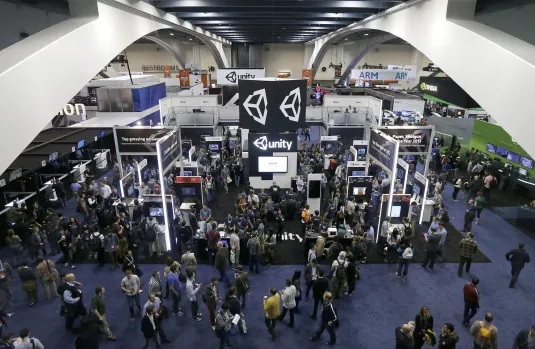
Official SiteFor anyone in the UK, London Games Festival is one of the most relevant events to keep on the radar. Supported by the Mayor of London and delivered by Games London, the festival continues to bring together game culture, new talent, industry networking, and public-facing showcases.
What makes London Games Festival especially interesting is that it sits in a space between industry and audience. That matters for brands and exhibitors, because great event activations need both: strong creative thinking behind the scenes and instant public appeal in front of the stand. If you want inspiration that feels closer to the UK events market, this is one to watch.
3. Develop:Brighton 2026
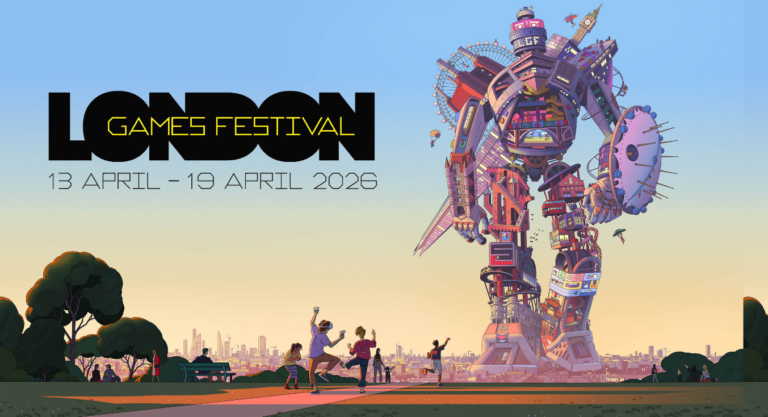
Official SiteDevelop:Brighton is one of the UK’s strongest conferences for practical game development insight. It focuses heavily on the craft of making games, covering design, art, production, audio, business, and emerging technology.
For businesses working in events, Develop is valuable because it is rooted in real production. It is not just about flashy ideas. It is about how interactive experiences are actually built, tested, branded, and delivered under real deadlines. That makes it especially relevant to agencies, exhibition stand designers, and brands looking for interactive content that feels polished rather than gimmicky.
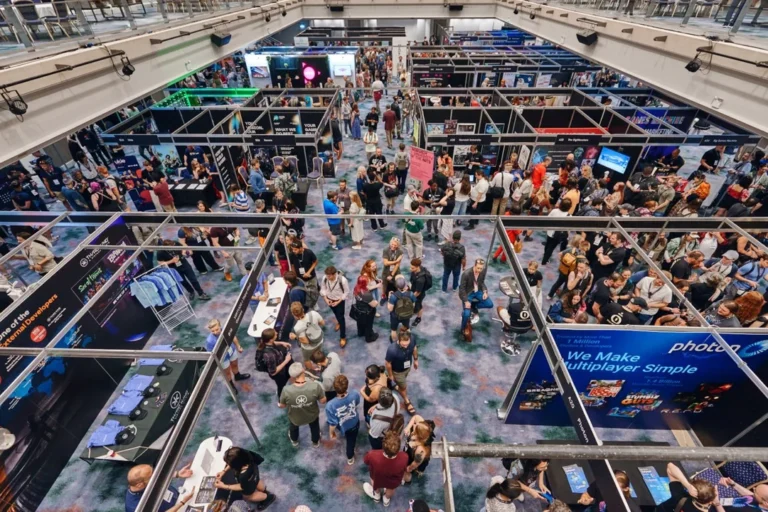
4. gamescom 2026, Cologne
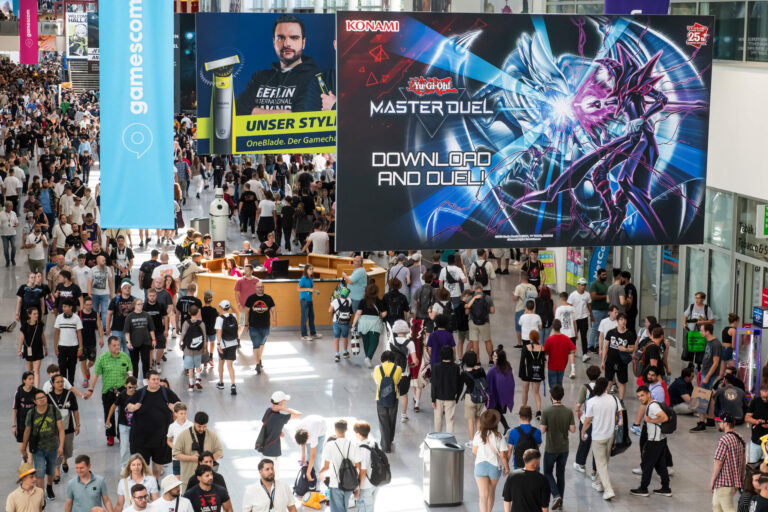
Official SiteIf you want scale, gamescom is hard to beat. Taking place in Cologne (with Opening Night Live kicking things off on August 25), it is one of the biggest gaming events in the world and a major showcase for new releases, technology, hardware, and fan experiences.
From an events perspective, gamescom is especially useful because it shows how entertainment brands create hype in physical spaces. Booth design, queue management, high-energy demos, competitive play, visual spectacle, and social-media-friendly moments are all on display. For anyone designing an exhibition stand or branded activation, there is a lot to learn from how major game publishers turn attention into footfall.
5. Pocket Gamer Connects London 2026
Official SitePocket Gamer Connects London continues to be one of the key international conferences for the wider games business. Its coverage spans mobile, PC, console, XR, AI, HTML5, and cross-media, which makes it especially useful for anyone looking beyond traditional game development.
Why does that matter for events? Because many branded activations do not need a massive console-style production. They need something smart, fast to understand, and easy to deploy on touch screens, tablets, or custom hardware. That is exactly the sort of thinking that mobile and cross-platform events help sharpen.
What event professionals can learn from gaming events
The biggest takeaway from these events is that audiences want to do something, not just look at something.
The most effective stands and live experiences give people a reason to stop, play, compete, personalise, or share. That might be a branded mini-game, a timed challenge, a touchscreen puzzle, a physical-digital installation, or an AI-powered photo moment. The format matters less than the interaction. If people feel involved, they remember it.
This is one reason gaming-inspired activations work so well in exhibitions. A simple, well-designed game can communicate a product message far better than a static screen. It creates more time for conversation, starts engagement naturally, and gives visitors a reason to interact with staff. The same is true for personalised experiences, especially when people walk away with something tangible or shareable.
Where Eventive Games fits in
At Eventive Games, this is exactly the space we love working in.
We create custom interactive games for exhibitions and events, built to draw crowds and spark conversations while matching a client’s branding. That includes fully bespoke builds as well as re-skinned versions of pre-developed games, which can be a more cost-effective route when timelines are tight.
Our AI Photobooth is a good example of how gaming, technology, and live events can overlap. It turns guests into AI-generated avatars in seconds, prints branded cards onsite, works without internet, and has a small footprint that suits exhibition stands. It is fast, visual, and gives visitors something fun to take away.
We also build branded interactive games like The Vault, a code-cracking challenge designed for touch screens and event spaces, along with other adaptable titles from our portfolio. The goal is always the same: create something that feels fun for the visitor and valuable for the brand.
Final thoughts
If you are planning exhibitions or branded experiences in 2026, gaming events are well worth following, even if you are not in the games industry directly.
They are often the first place you see the next wave of interaction trends, whether that is AI-enhanced experiences, more immersive audience participation, smarter UX, or better use of competition and reward. And for brands trying to stand out on a busy show floor, that kind of inspiration is incredibly useful.
The line between games, marketing, and live events is getting thinner every year. The brands that embrace that early tend to create the experiences people actually remember.

Custom exhibition games and interactive brand activations for events, trade shows and conferences.